
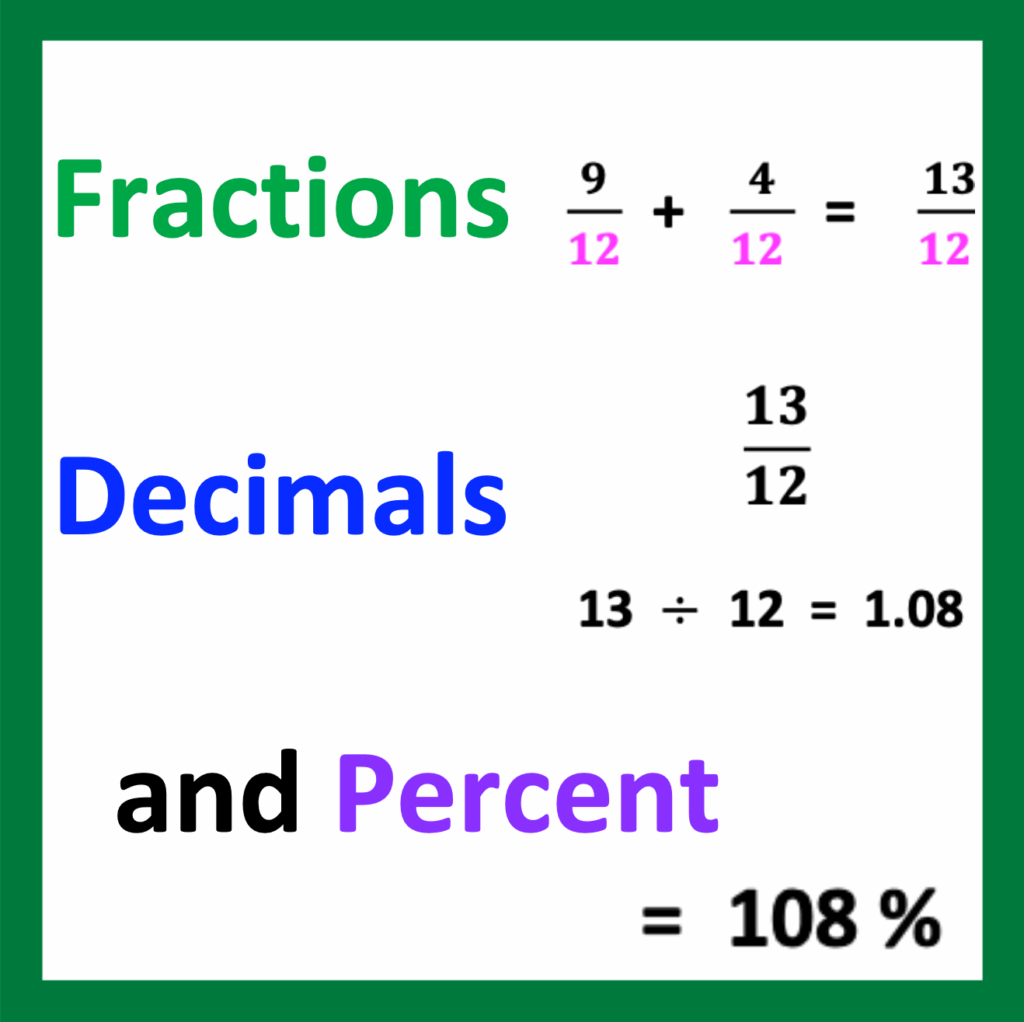
What is the best number to use when completing application problems with fractions, decimals, and percent?
#1 – What Usually Happens
How often do you see student answers that do not reflect the best number for application problems with fractions, decimals, and percent?
For example, “To paint a room, Mr. Wilks will need two gallons of paint. He opens gallon-sized paint cans to determine if he will have enough. The amount of paint in each can is as follows:
- # 1 is 1/3 full
- #2 is 3/4 full
- #3 is 1/2 full
How many gallons of paint does he have altogether?
How many times do students answer the question with an improper fraction, such as 19/12 vs 1 7/12? When students give me this kind of answer, I respond with the following questions.
For example:
- 1. “Does this form of the fraction tell me how many literal gallons he has?”
- 2. Would this form of the fraction make sense? Why or why not
- 3. “How can you change the number 19/12 to make sense?”
- 4. “Ok, if 19/12 is 1 7/12, how many gallons does this represent?” (2 gallons)
Likewise, students must also understand when the best answer should be in a fraction, decimal, or percent form.
#2 – Fractions: Best Numbers
First, let’s consider when it is best to represent a number as a fraction.
- When there are non-terminating decimal numbers, such as o.333…, written instead as 1/3.
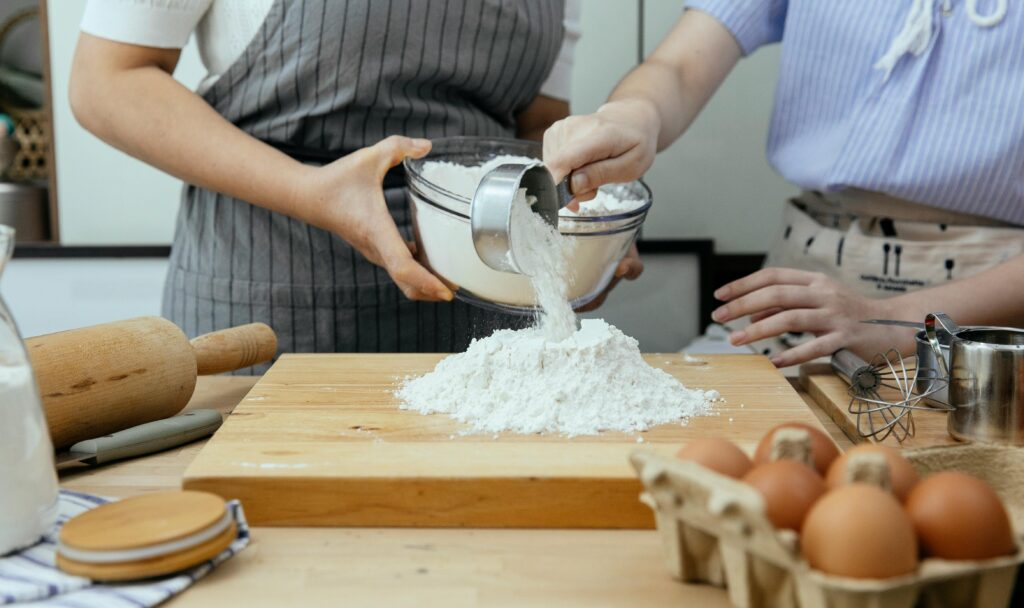
- If measurements used for a recipe which uses U.S. Customary Measurements: 1/4 cup, 1/2 a teaspoon
- For equalizing portions: 1 cake, divided into eight equal pieces, on serving = 1/8 of the cake
- Use of ratios: 1 part cornstarch to 3 parts water, 1:3 ratio, 1/3
#3 – Decimals
Second, decimals are best used when the aim is precision. Below are examples.
- 1. Basic Math Operations: adding, subtracting, multiplying, and dividing numbers with decimals
- 2. Representation of money: $2.19
- 3. Consumer Math Calculations: discounts, interest, 1.2
- 4. Precise Measurement: science, medical, and engineering fields measures, such as 3.8 mm
- 5. Statistics: when comparing decimals such as 1,236, 1,237, 1.238, and 1.239.
6. Measurements used for a recipe written in metric measures: 1 gram of flour, 5 ml vanilla extract
7. Medications: 5 ml of couph syrup

#4 – Percent
Third, percentages are most often used in the following ways:
- 1. Sales and Discounts: 60% markdown, 20 % markup
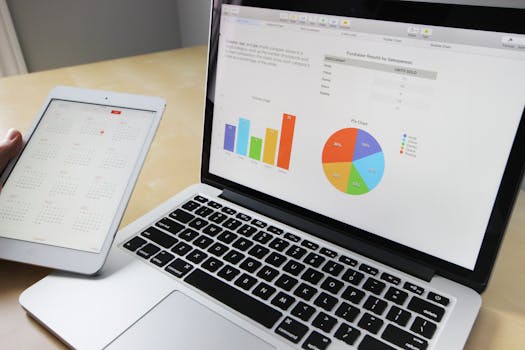
- 2. Statistics representing part of a whole: 90% percent of a given shampoo is water.
- 3. Poles and Surveys: A survey is taken in a classroom to determine the percentage of students who prefer chocolate candy with nuts, chocolate candy without nuts, and those who do not like chocolate or nuts. The results: 30 % prefer without nuts, 60% prefer with nuts, and 10% do not like nuts or chocolate.
- 4. Test Scores: Test scores given in percent provide a number that is easy to visualize and understand, particularly if letter grades are associated with scores: 70 -80 % = C, 80-90% = B, and 90-100% = A.
Conclusion
In conclusion, when students understand the best number to use when describing solutions to application problems, they will provide a much clearer understanding to others. These concepts are also important when students begin writing research papers.
Other Related Posts:
Resources:
Looking for More Materials?
Click the button below to view more of my educational resources!